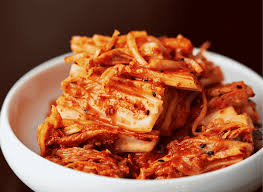
If you are preparing for EPS-TOPIK or planning to Study in Korea, understanding Korean culture is just as important as learning the language. And when it comes to Korean food and culture, one dish you simply cannot ignore is kimchi.
At Toddle Multipurpose, we don’t just help you with books and mock tests—we also introduce you to real Korean life. In this article, let’s explore kimchi: what it is, why it matters, and how it connects to your EPS-TOPIK journey and future life in Korea.
What Is Kimchi?
Kimchi is a traditional Korean side dish made by fermenting vegetables with various seasonings. It is served at almost every meal in Korea—breakfast, lunch, and dinner.
Common vegetables used in kimchi include:
-
- Napa cabbage (baechu kimchi)
- Radish (kkakdugi)
- Cucumber (oi kimchi)
Gimjang: Winter Kimchi for the Cold Season
One special tradition related to kimchi is gimjang (or gimjang kimchi).
Gimjang is the process of preparing a large amount of kimchi for the winter. It is usually done from late November to early December, when the weather is cold and fresh napa cabbage will soon become scarce or expensive.Families, neighbors, and communities often gather together to make kimchi in large quantities and store it in pots or containers for the entire winter. Gimjang is so important in Korean culture that it has been recognized by UNESCO as an Intangible Cultural Heritage.
If you plan to work or study in Korea, you will see gimjang season in your neighborhood, on TV, and even in school or company events.
Why Kimchi Is So Important in Korean Daily Life
For Koreans, kimchi is more than “just food”:
It is a staple side dish (banchan) served with rice and soup.
Many Koreans say, “A meal without kimchi doesn’t feel complete.”
Kimchi represents family, tradition, and community—especially when people make it together.
If you're preparing for EPS-TOPIK or studying Korean language, knowing basic words related to kimchi and Korean food will help you:
Understand dialogues in listening sections.
Answer reading passages about Korean culture.
Feel more comfortable when you arrive in Korea and join meals with locals.
Is Kimchi Healthy?
Yes—kimchi is famous worldwide as a healthy superfood.
Some key benefits of Kimch:
- Rich in vitamins: Especially vitamin A, B, and C from the vegetables.
- Probiotics: Because it’s fermented, kimchi supports gut health and digestion.
- Low in calories: Great for those who want to eat healthy without feeling hungry.
- High in fiber: Good for overall health and metabolism.
This is one reason many Koreans eat kimchi almost every day, their whole lives.
If you move to Korea for work (EPS-TOPIK) or study, kimchi will become a natural part of your diet—and knowing what it is will help you enjoy it more.
Useful Kimchi-Related Korean Words for Learners
If you’re learning Korean with Toddle Multipurpose or on your own, here are some basic words and phrases you should know:
| Korean | Romanization | Meaning |
|---|---|---|
| 김치 | kimchi | Kimchi |
| 배추김치 | baechu kimchi | Napa cabbage kimchi |
| 깍두기 | kkakdugi | Cubed radish kimchi |
| 김치를 좋아해요? | gimchi-reul joahaeyo? | Do you like kimchi? |
| 김치 좀 더 주세요. | gimchi jom deo juseyo. | Please give me some more kimchi. |
| 김치는 한국의 전통 음식이에요. | gimchineun hangugui jeontong eumsigieyo. | Kimchi is a traditional Korean food. |
These simple sentences can appear in beginner-level Korean learning materials and are very useful in daily life.
How Toddle Multipurpose Supports Your Korea Journey
At Toddle Multipurpose, we aim to support learners who:
- Are preparing for EPS-TOPIK
- Want to study in Korea
- Wish to understand Korean culture, language, and lifestyle
Connecting lessons to real topics like kimchi makes learning more:
Memorable – cultural images stay in your mind.
Practical – you learn words you can actually use in Korea.
Motivating – you feel closer to your dream country.
We can help you with:
Basic Korean language classes (reading, writing, speaking, listening)
EPS-TOPIK practice questions using real-life situations
Cultural orientation—food, manners, daily life, and work culture in Korea
Recent Blogs

How Much GPA is Required to Study in Korea from Nepal for D-2 Visa?
Feb 14, 2026
Study in Korea from Nepal Consultancy: Why It Matters & How TODDLE Supports You
Feb 14, 2026
How Much GPA is Required to Study in Korea from Nepal? (UG & PG Benchmarks)
Feb 14, 2026